



Orange mimic fish
The orange catfish, belonging to the order Siluriformes and family Bagridae, is a species of temperate freshwater fish found in freshwater basins in Asia. It can grow up to 16.5 cm in length and inhabits the bottom layer of water. Its living habits are unknown.

Red salmon
Red salmon is distributed in the circumpolar regions along the coasts of Europe and America, as well as on islands in the Arctic, and is the farthest freshwater fish to penetrate the Arctic region. In the Arctic water system, this species is mainly of the upstream type, but there are also settled types in some lakes and marshes. The upstream red salmon can grow up to 70 centimeters in length and weigh up to 4 kilograms. On Novaya Zemlya, red salmon winter in the lakes and marshes upstream of the river. From June to July, they begin to swim into the sea, and adult red salmon in the sea feed mainly on various small fish. The juvenile of red salmon is mainly distributed in salty and freshwater lakes and downstream rivers, feeding on larvae of the Chironomidae family, water jumping insects, and copepods. As they grow, they mainly feed on flying insects when they are larger.
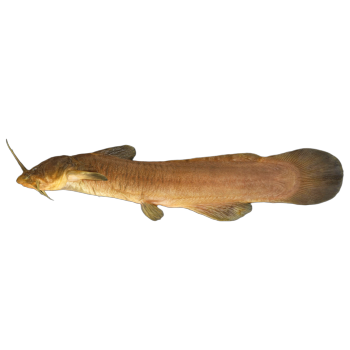
Rapids catfish
The whitewater catfish is a freshwater fish. It belongs to the Amblycipitidae family. These catfish live in cobbles, boulders and rock crevices on the riverbed. The whitewater catfish has sharp venomous spines on its pectoral and dorsal fins. The whitewater catfish usually grows to around 9 centimeters (3.5 inches) in length.

Pseudogobio esocinus
Long snout resembling a catfish, with 3, 7 dorsal fin strips; Pectoral fin strips 1, 14; Abdominal fin strips 1, 7; Hip fin strips 3, 6. Gill rakes 10-12. Two rows of swallowing teeth, 2.5 to 5.2. Side scale 42 [5/(3-V)] 43; Dorsal fin anterior scales 11-12; 12 scales around the caudal peduncle.

Japanese striped loach
The scientific name of the Japanese striped loach is Cobitis biwae, which is a native fish species in Japan. Found in sandy and gravelly substrates in rivers. This species is a native species of this state. However, it was not found in Yamaguchi Prefecture. It is considered an invasive species in Lake Chuzenji and eastern Shizuoka Prefecture. Because they are small and easy to raise, they are also farmed as ornamental fish.

Qingchui
The medaka, also known as the rice medaka, is a species of fish in the family medaka and genus medaka. The body of the medaka is long, flattened, with a straight back and a round and narrow belly. The head is wide and flat. Small mouth, upper position, transverse fissure, longer lower jaw. Eyes are large, located on the upper side, and the distance between the eyes is wide and flat. The top of the head and gill cover are covered with scales. The dorsal fin is located at the back of the body. Qingchui is a small freshwater mid to upper level fish. It lives in ditches, paddy fields, ponds, and aquatic plants along rivers, lakes and reservoirs. Xi Qun swims in still and slow-moving water areas.
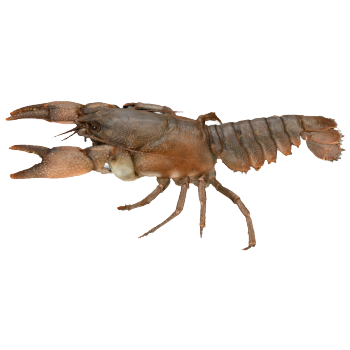
Japanese black crayfish female
The Japanese black crayfish (scientific name: Cambaroides japonicus; Japanese: Ni ホンゆリガ) is a species of crayfish in the genus Crayfish, native to northern Japan. It is a small crayfish with a body length of generally 50-60mm and a gray shell. Due to the threat posed by the invasive species of Procambarus clarkii from the United States, the Japanese Ministry of Environment has listed it as a vulnerable species.

Japanese black crayfish male
The Japanese black crayfish (scientific name: Cambaroides japonicus; Japanese: Ni ホンゆリガ) is a species of crayfish in the genus Crayfish, native to northern Japan. It is a small crayfish with a body length of generally 50-60mm and a gray shell. Due to the threat posed by the invasive species of Procambarus clarkii from the United States, the Japanese Ministry of Environment has listed it as a vulnerable species.

Procambarus clarkii
The Procambarus clarkii, also known as the red crayfish, freshwater crayfish, or red swamp crayfish, is a species of crayfish in the family Crayfidae. It is native to the southeastern United States and northern Mexico, and is now widely distributed in more than 40 countries and regions. It is also widely present in various parts of China, especially in the middle and lower reaches of the Yangtze River where the population is the largest. This kind of shrimp often lives in rivers, lakes, ditches, ponds and rice fields. In scientific classification, it belongs to the animal kingdom, arthropod phylum, crustacean subphylum, soft shelled class, Decapoda, abdominal embryo subphylum, crayfish family, and genus Procambarus. The scientific name of this shrimp was first named by Girard in 1852.

Ozawa Crab
Ozawa crab is a freshwater crab belonging to the genus Ozawa. It coexists with Geothelphusa dehaani in river habitats in southern Kyushu, Kagoshima Prefecture, and the Osumi Peninsula in Japan. With G Compared to Dehaani, the maximum body size of the Ozawa crab is smaller and it mainly lives in water (aquatic), while G Dehaani may live both in water and on land (amphibious). The differences in habitat and activity patterns among Geothelphusa species are attributed to their microenvironment and the impact of interspecific competition in symbiosis.

Dehani Sawa Crab
The Geothelphusa dehaani crab (scientific name: Geothelphusa dehaani) is a type of crab classified in the order Shrimp (Decapoda), suborder Crabs, and family Characidae. It is a unique species in Japan, a pure freshwater crab that spends its entire life in freshwater areas. The specific name dehaani in the scientific name is named in honor of the Dutch zoologist Wilhelm de Haan, who made contributions to the classification of crustaceans in Japan.

Popular Models
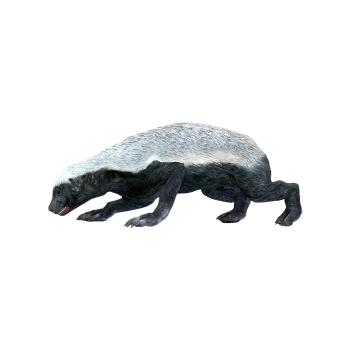
Honey Badger (3D animated model)
192 View
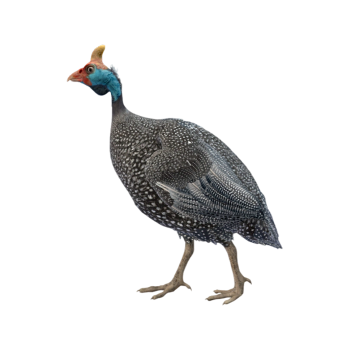
Guinea fowl (3D animated model)
163 View
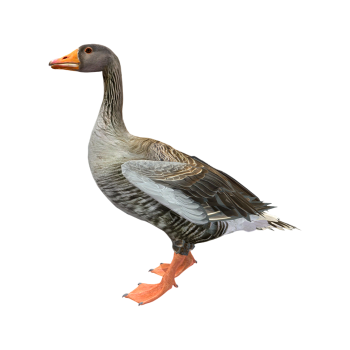
Wild Goose (3D animated model)
185 View
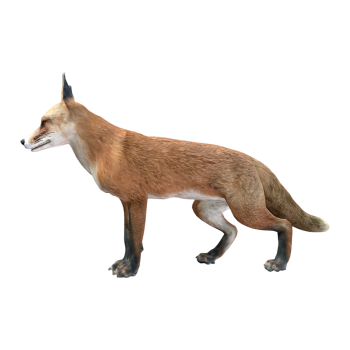
Red Fox (3D animated model)
153 View
Random Model


Pilumnus vespertilio
914 View


Cuban tricolor macaw specimen
996 View

Spot moth 3D model animation
812 View

Japanese style residence
952 View

Arabian sand gazelle
849 View


Apple Vision Pro
621 View